Skip to content

Article: Why Hardware Matters: Stainless Steel vs Brass vs Zinc

Why Hardware Matters: Stainless Steel vs Brass vs Zinc

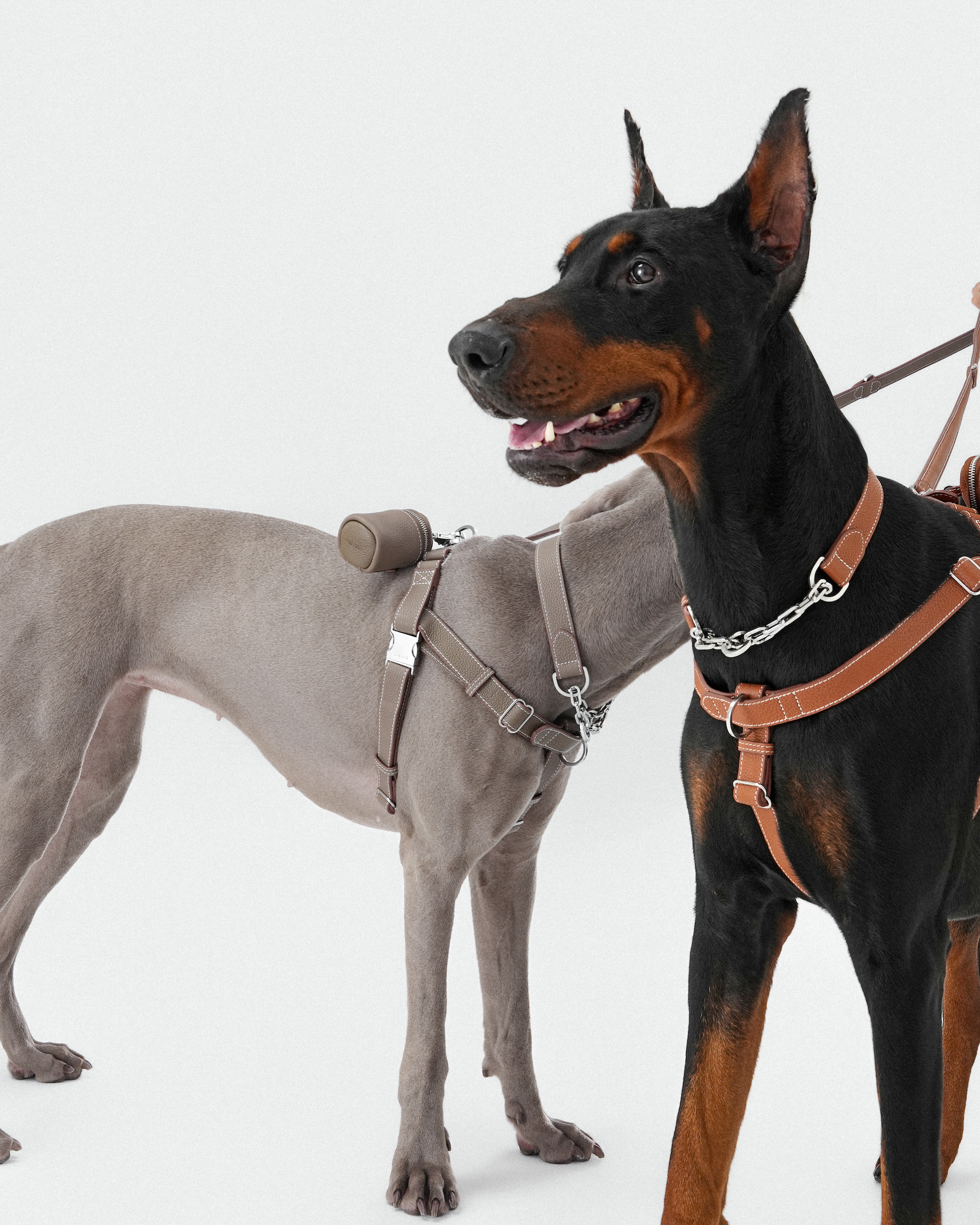
When it comes to pet accessories, most people focus on leather, color, or silhouette —  but hardware is just as critical. The metal components on a leash, collar, or harness aren’t just decorative. They’re responsible for strength, safety, longevity, and overall performance.

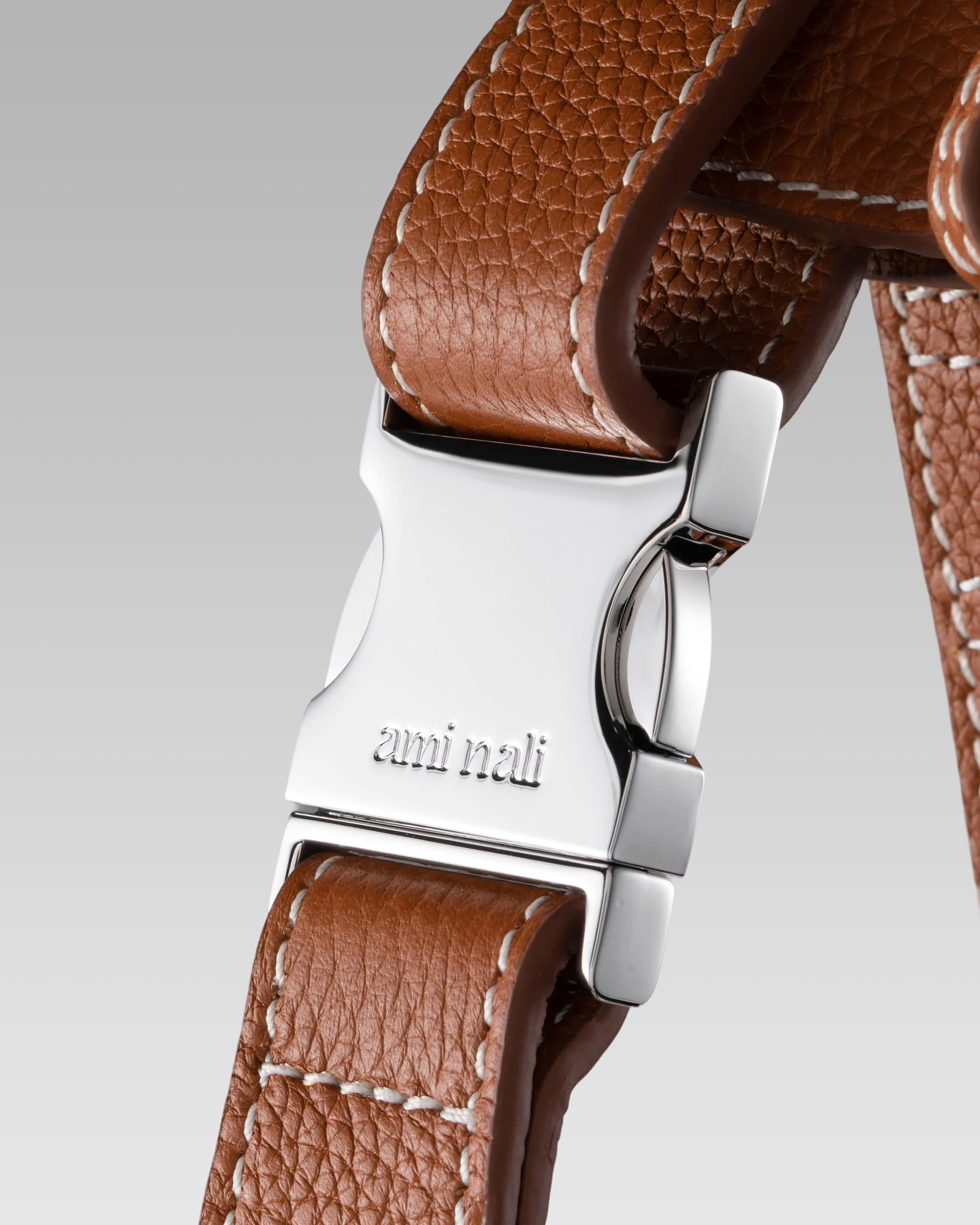
At ami nali, every detail is intentional. That’s why we use stainless steel hardware — a choice rooted in durability, safety, and timeless design. 

Here’s a breakdown of the three most common hardware materials and why it matters for your dog:

COMPONENTS

Hardware in Pet Accessories

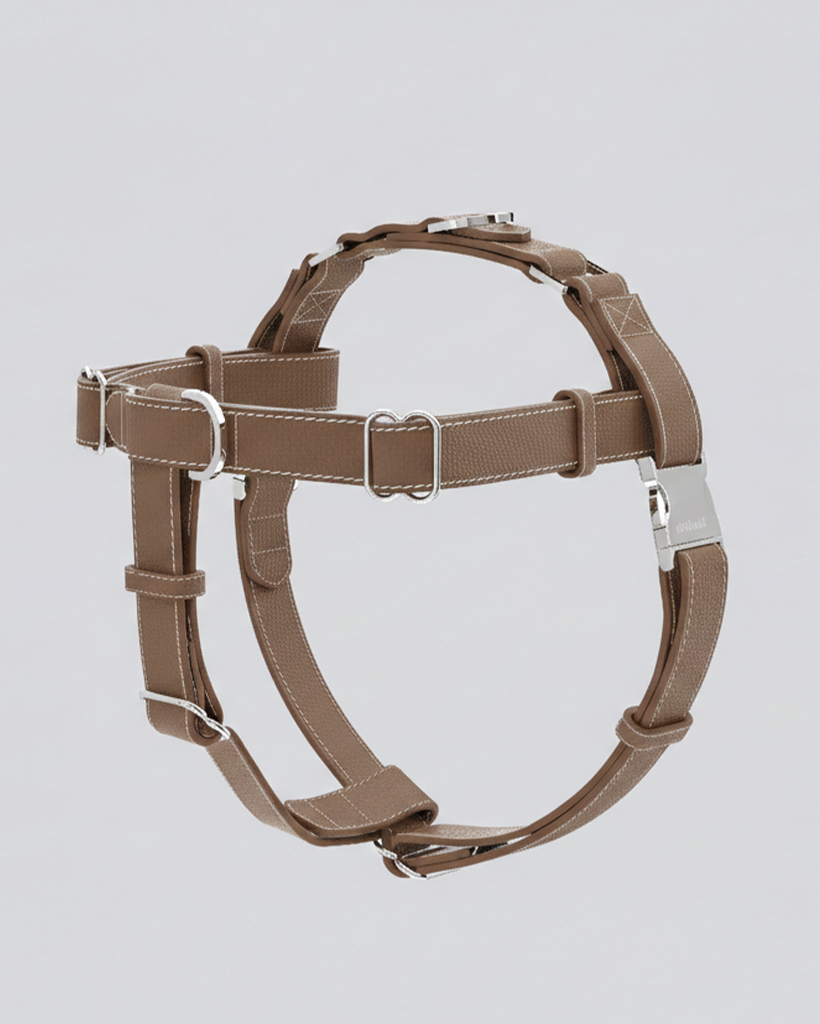
• Clasps and clips
• D-rings
• Buckles
• Rivets

These components endure constant tension, pulling, moisture exposure, and daily wear. Poor-quality hardware can fail unexpectedly, which isn’t just inconvenient — it can be dangerous.

WHY STAINLESS STEEL?

Our Approach to Uncompromising Function

We chose stainless steel because it:

Supports long-term durability while resisting degradation
Provides reliable safety for both dogs and humans
Aligns with our commitment to quality materials and thoughtful design

In a category where details are often overlooked, we believe hardware should be as intentional as the leather it complements.

BUILT TO LAST

Stainless Steel:

Stainless steel is widely considered the gold standard for high-performance hardware.

Benefits:

• Corrosion-resistant
• High tensile strength
• Hypoallergenic
• Timeless shine

This makes it especially ideal for active dogs, city environments, and long-term use.

At ami nali, stainless steel aligns with our philosophy: elevated essentials that perform effortlessly in real life.


Brass: Style Over Performance

Brass hardware is often positioned as a premium option, but in practice, it comes with trade-offs that impact everyday use.

Pros:

• Initially polished appearance.
• Heavier feel that can be mistaken for quality

Cons:

• Tarnishes quickly
• Can transfer residue
• Not corrosion-proof

While brass may look refined at first, it often ages inconsistently and demands maintenance, making it less practical for daily wear.


Zinc Alloy: Lower-cost, Mass-produced

Pros:

• Inexpensive to produce
• Lightweight

Cons:

• Low structural strength
• Plated finish, prone to peeling
• Corrosion-prone

Zinc hardware is designed for cost efficiency — not durability.


Final Thoughts

Not all hardware is created equal. While both brass and zinc alloy are often used for cost or appearance, they fall short in consistency, durability, and real-world performance.

Stainless steel stands apart by delivering strength, longevity, and reliability — the qualities that truly matter when it comes to your dog’s safety.

Because the smallest components often make the biggest difference.

Read more

Why Calfskin Leather Collar is Better Than Synthetic for Dogs and the Planet

Why Calfskin Leather Collar is Better Than Synthetic for Dogs and the Planet

Many mass-produced collars today are made from PVC, coated synthetics, or plastic composites. While often marketed as practical or waterproof, these materials were never designed with long-term wea...

Read more
How to Measure Your Dog for a Martingale Collar

How to Measure Your Dog for a Martingale Collar

A martingale fits different than a standard buckle collar, in how it's constructed, how it sits on the neck, and what a correct fit actually looks like. Here's what you need to know. WHAT MAKES A M...

Read more